

Developing a Creatine Powder Product
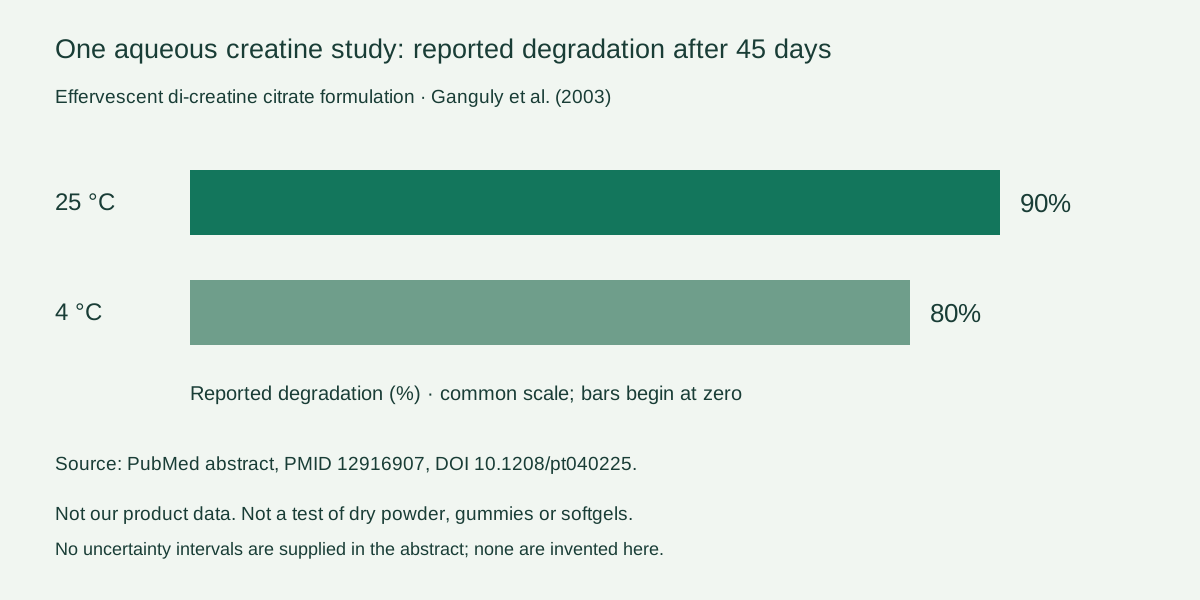
The solution study cited here is useful for defining its limitations: its storage results cannot be used as a shelf-life result for a dry powder.
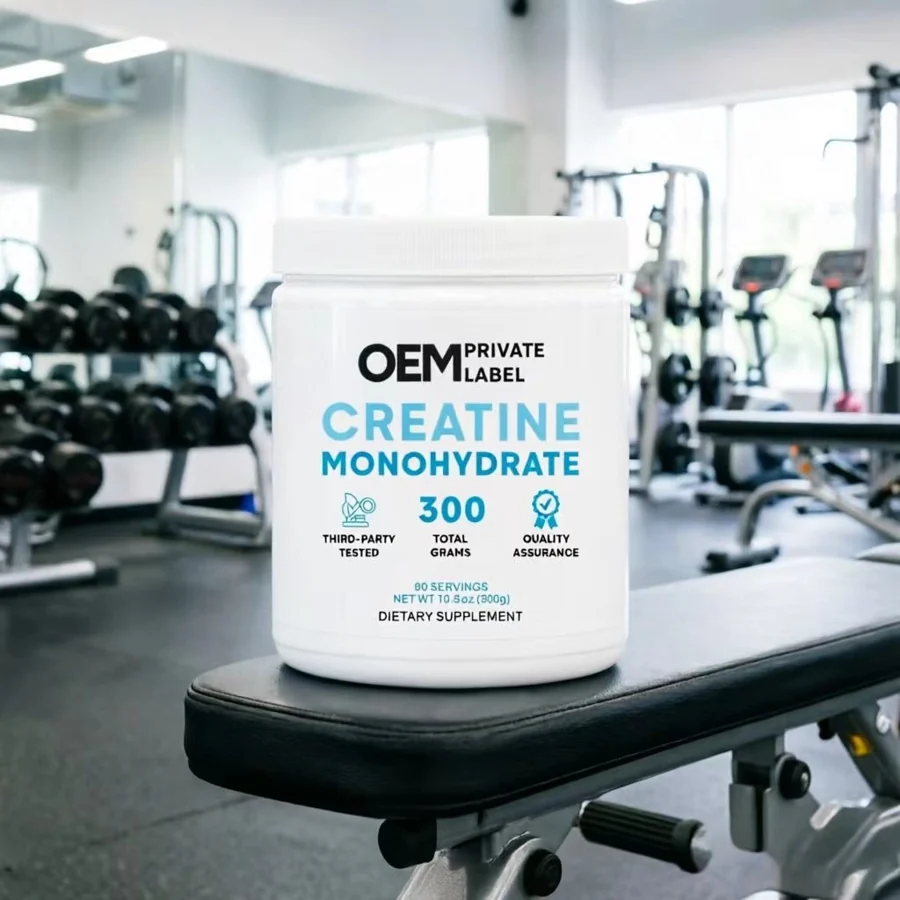
A creatine powder brief should define the exact material, formula type, serving presentation, preparation method, package, and finished-product criteria. “Creatine powder” can describe a plain single-ingredient product or a flavored blend containing several other components. Those concepts create different questions about identity, dispersion, taste, blend uniformity, package size, and testing.
Product development cannot guarantee sales, market leadership, absorption, or athletic performance. This article addresses formulation and quality planning for a powdered product; it does not recommend a personal intake or determine whether creatine is appropriate for an individual.
Specify the creatine material rather than relying on a front-label name
Begin with the exact chemical form, grade, supplier, and raw-material specification proposed for development. Creatine monohydrate is common, while other materials may be sold under different chemical-form, preparation, or trade descriptions. Names such as buffered creatine or creatine hydrochloride should not be treated as proof of a formulation or physiological advantage. Request the underlying composition and evidence for the actual material.
A useful raw-material file may include:
- identity and assay specifications, including the basis on which content is reported;
- particle-size distribution and the method used to measure it;
- moisture-related limits and storage requirements;
- limits or results for relevant impurities, contaminants, and microbiological attributes;
- bulk-density, flow, and appearance information relevant to blending and filling;
- any carriers, coatings, processing components, or other supplied constituents; and
- lot-specific documentation linked to the material received.
“Micronized” generally describes a particle-size characteristic or processing claim, not a separate chemical form. Smaller particles may change wetting, suspension, dust, flow, mouthfeel, and packing behavior. Do not assume that the word alone establishes complete dissolution or a superior result. Compare particle-size information and representative samples under the intended preparation conditions.
Choose deliberately between a single-ingredient and combination formula
A single-ingredient concept keeps the formulation and label relatively focused, but it still needs a defined material specification, serving presentation, dispensing method, package, and test plan. An unflavored product also needs sensory evaluation: neutral positioning does not mean that odor, mineral-like notes, grit, or residue are irrelevant.
A combination formula may include flavor, acids, sweeteners, electrolytes, amino acids, vitamins, botanical ingredients, or other permitted components. Each addition should have a stated purpose in the brief. Do not add ingredients solely to make the formula appear more advanced. The added materials can change total serving mass, taste, color, density, moisture sensitivity, flow, dispersion, analytical complexity, and label review.
When comparing plain and combination concepts, use the same creatine-material target and clearly identify what changes. Review whether the complete serving remains practical for the intended scoop, sachet, or stick pack. Proposed ingredient amounts and claims require qualified review for the intended audience and destination market; they should not be copied from another product.
Evaluate dispersion separately from dissolution
A creatine powder may wet, disperse, suspend, settle, or dissolve to different degrees. These observations are related but not interchangeable. A visually uniform drink immediately after shaking may later form sediment, while a product with some visible particles may still redisperse readily. Avoid promising complete solubility unless the exact product has been evaluated against a clearly defined method.
Set the preparation conditions before comparing samples:
- powder mass representing the complete serving;
- liquid type, volume, and temperature;
- order of powder and liquid addition;
- stirring, shaking, or blending device and duration;
- time points for observing floating material, lumps, sediment, and redispersion; and
- container dimensions and headspace where these affect mixing.
Particle size, surface properties, bulk density, other formula solids, and mixing energy may all influence the result. Changing to a finer material can improve one observation while creating more dust, compacting, or a different mouthfeel. Evaluate the complete formula rather than assuming one raw-material descriptor resolves every preparation issue.
Develop flavor around the complete serving
First decide whether the product is intended to be unflavored or flavored. An unflavored powder should be assessed in the liquids named in its directions, because a sample that is unobtrusive in a strongly flavored beverage may be noticeable in water. Record odor, initial taste, texture, residue, and aftertaste separately.
For a flavored formula, develop the flavor, acid, sweetener, and color system at the full ingredient load. A stronger aroma does not necessarily correct bitterness, sourness, sweetness imbalance, or a lingering note. Additional amino acids, minerals, botanicals, or high-intensity sweeteners may create sensory effects that are not apparent in the creatine-only base.
Use coded, versioned samples prepared under the same conditions. Note the formula, material lots, sample age, liquid, temperature, and time before tasting. Retain an identified sensory reference where practical. Flavor approval at the bench is one decision; it does not establish how the product will taste after representative processing and storage.
Control blending, flow, and serving presentation
A combination product needs a blending and sampling plan that reflects differences in particle size, density, and ingredient proportion. A visually uniform powder does not demonstrate uniform distribution. Define which components will be measured, where samples will be taken, how samples will be handled, and what criteria will apply through blending, transfer, and filling.
Flow also affects filling and consumer dispensing. A powder can bridge, dust, compact, or vary in bulk density. If a flow aid or anti-caking ingredient is proposed, document its purpose, level, declaration, and effect on dispersion and sensory quality. Do not add it by convention without evaluating the observed problem.
For a tub, assess the scoop with the actual finished blend. A volume mark does not necessarily deliver an exact mass, especially when settling or density varies. For unit-dose packaging, confirm fill-weight control and the relationship between nominal serving mass and available package volume. Serving and use information should come from the approved product specification rather than an early sample container.
Design packaging around moisture, use, and distribution
Moisture exposure can affect flow, clumping, sensory properties, and the behavior of other ingredients in the blend. Select the container, closure, seal, or flexible film as a system. Review barrier needs, headspace, repeated opening, dispensing, package integrity, and the expected distribution environment. A package described as moisture resistant is not automatically suitable for every formula or route.
Tubs, pouches, sachets, and stick packs offer different handling and filling arrangements. Compare them using the same formula and number of servings. Consider scoop access, powder retained in corners, opening convenience, seal area, label space, and any carton required for unit packs. If a desiccant or other protective component is proposed, include it in the package assessment and confirm how it is presented safely and accurately.
Use the intended commercial package in the stability program. Temporary sample packaging may support early sensory work, but it cannot establish the performance of a different retail pack. Record package-component specifications and assess substitutions before they are introduced.
Build a finished-product specification and test plan
The raw-material certificate of analysis describes an identified material or lot; it is not a finished-product release result. Agree a finished-product specification for the actual formula and package. The scope should follow the product, market, and identified risks rather than a generic testing list.
Depending on the agreed product specification, review may include:
- identity and creatine content using appropriate methods;
- relevant impurity or degradation-related criteria;
- microbiological and contaminant criteria applicable to the finished powder;
- appearance, odor, flavor, and foreign-material observations;
- moisture-related attributes, flow, bulk density, and clumping;
- fill weight, net contents, and serving-measure assessment;
- blend uniformity or distribution checks where the formula requires them; and
- dispersion observations under the labeled preparation conditions.
Define sampling, methods, units, and acceptance criteria before interpreting results. Keep results linked to the formula version, material lots, batch, and package. Repeating a test until a favorable value appears is not a substitute for investigating an unexpected result.
Use stability work to support the actual shelf-life decision
Plan stability around the attributes that could change in the complete product. Identify storage conditions, time points, methods, package, and acceptance criteria. Follow the analytical targets together with relevant physical and sensory observations, such as clumping, color, odor, flavor, flow, and preparation behavior.
A freshly blended powder, a raw-material storage recommendation, or a result from another formula does not establish shelf life. Combination products may introduce moisture, oxidation, flavor, color, or compatibility questions that do not apply to a creatine-only powder. If the ingredient source, formula, process, flavor system, or package changes, document whether existing evidence remains representative.
Keep the powder project distinct from a creatine softgel assessment
This article concerns a dry powder intended to be measured or supplied in a unit-dose pack and then consumed according to reviewed directions. Its central development questions are raw-material specification, dry blending, flow, dispensing, dispersion, flavor, powder packaging, and finished-powder testing.
A creatine softgel is a different dosage-form feasibility problem. It requires evaluation of fill mass, carrier or suspension behavior, settling, shell compatibility, moisture exchange, encapsulation, and the number and size of units needed for the proposed serving. The fact that a creatine powder can be blended and packed does not establish that the same material is suitable for a softgel fill. Likewise, softgel taste isolation or unit convenience does not demonstrate better absorption or performance. Those questions belong to the separate creatine softgel feasibility assessment.
Approve one version-controlled product definition
| Decision area | Approval record |
|---|---|
| Creatine material | Form, grade, supplier specification, particle information, supplied components, and allowed alternatives |
| Formula type | Single-ingredient or combination formula, complete composition, and purpose of each addition |
| Preparation | Liquid, volume, temperature, addition order, mixing method, and observation times |
| Sensory reference | Approved flavor or unflavored profile, texture, residue, and sample version |
| Powder and filling | Blend, flow, uniformity, fill-weight, scoop or unit-pack criteria |
| Package and stability | Commercial component specifications, study conditions, time points, and acceptance criteria |
| Finished product | Sampling plan, analytical methods, physical and sensory criteria, label, and artwork version |
A sound creatine powder project ends with a defined product that can be compared across samples, production-relevant trials, testing, and storage. It does not depend on a sales superlative or on assumptions that a material name guarantees dispersibility, absorption, or athletic results.
Related development decisions
Keep the powder evidence separate from other formats
| Record | What to connect |
|---|---|
| Incoming material | Identity, assay basis, supplied components and batch reference. |
| Prepared sample | Mixing conditions, observations and sample code; dispersion and dissolution kept distinct. |
| Finished dry blend | Relevant content, serving-measure and physical handling questions. |
| Package | Final container, closure and applicable storage evidence for the dry product. |
Continue the specific development decision
A published solution study is not a dry-powder stability test
Related Reading
Browse the product references below, or send your own formula brief. Confirm the composition, packaging and sample requirements for the project you want to quote.

Contact


