

Liquid Supplement Manufacturing Costs: A Quote Checklist
Compare liquid supplement quotations against one formula, measured serving and finished pack. A lower price can reflect a different ingredient basis, missing packaging or a bulk-liquid scope rather than a comparable finished bottle.
1. Lock the quotation basis
Send the formula revision or catalogue reference, ingredient amounts per stated serving, bottle fill volume, proposed liquid base and dispensing device. Include your destination market, order quantity and whether the supply is bulk liquid, filled bottles or labelled retail packs.
Ask each supplier to mark open fields instead of substituting a different concentration or bottle. Keep the quote date, currency and validity beside the brief revision so that later changes are visible.
2. Separate one-time work from recurring supply
| Scope in the proposal | Define for this liquid project | Ask how it is charged |
|---|---|---|
| Development and samples | Ingredient direction, base, colour, flavour and consistency targets; sample work and included revisions. | Which work and revisions are included in the sample fee, and what is separate? |
| Liquid supply | The proposed formula, serving basis, production quantity and whether the scope is bulk liquid or finished bottles. | What recurring quantity and unit does the price cover? |
| Bottle, closure and dispenser | Bottle reference and fill volume; closure, dispenser and relevant seal requirements. | Are all agreed components and filling work included? |
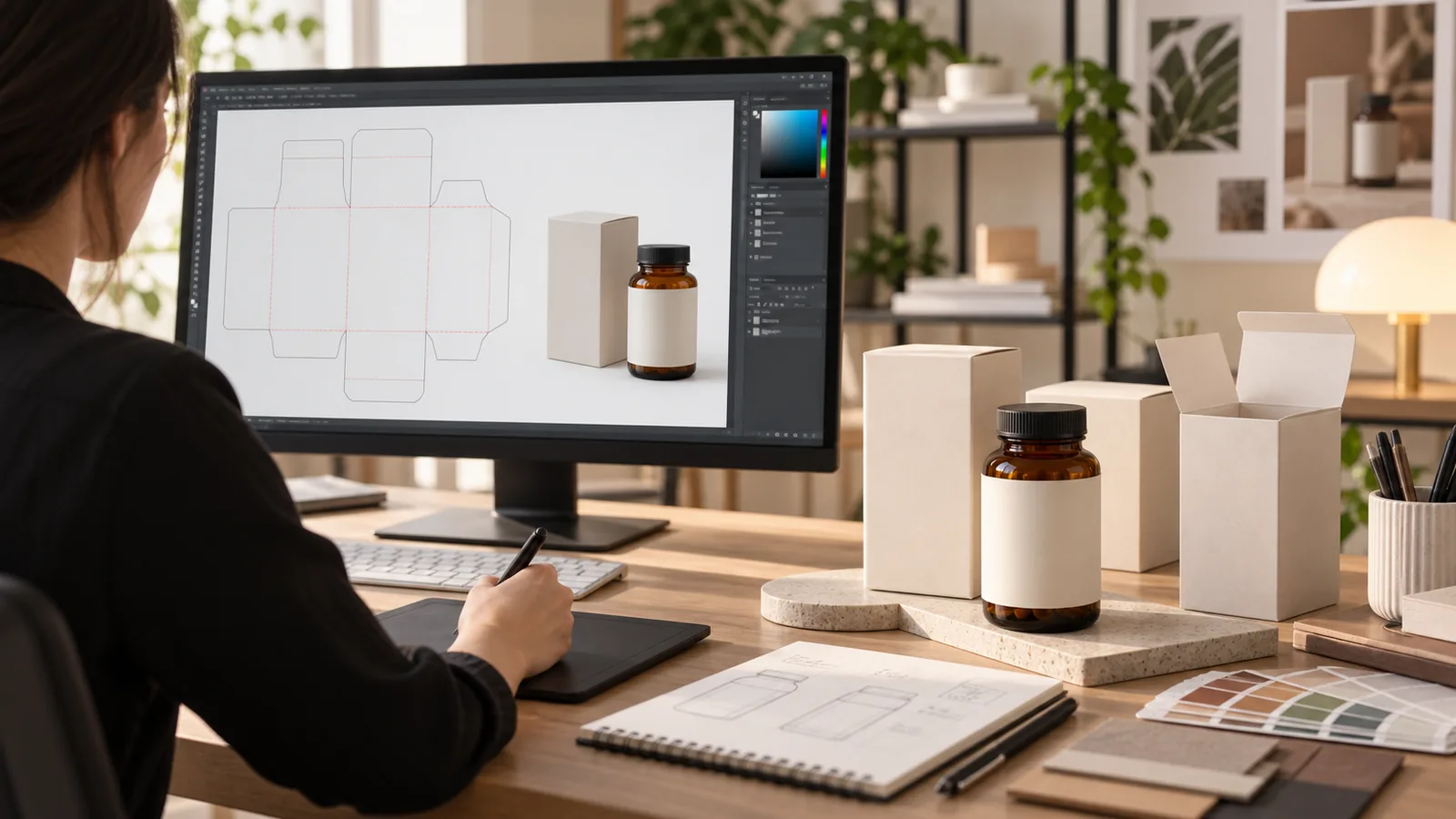
| Label and artwork work | Who prepares the design; component-specific dimensions, label material, finish and print revision. | Separate design, print setup, labels and any unused printed stock. |
| Retail box and protective presentation | Plain or printed box; shrink film or protective bag where proposed. | Which packing operations and materials are included? |
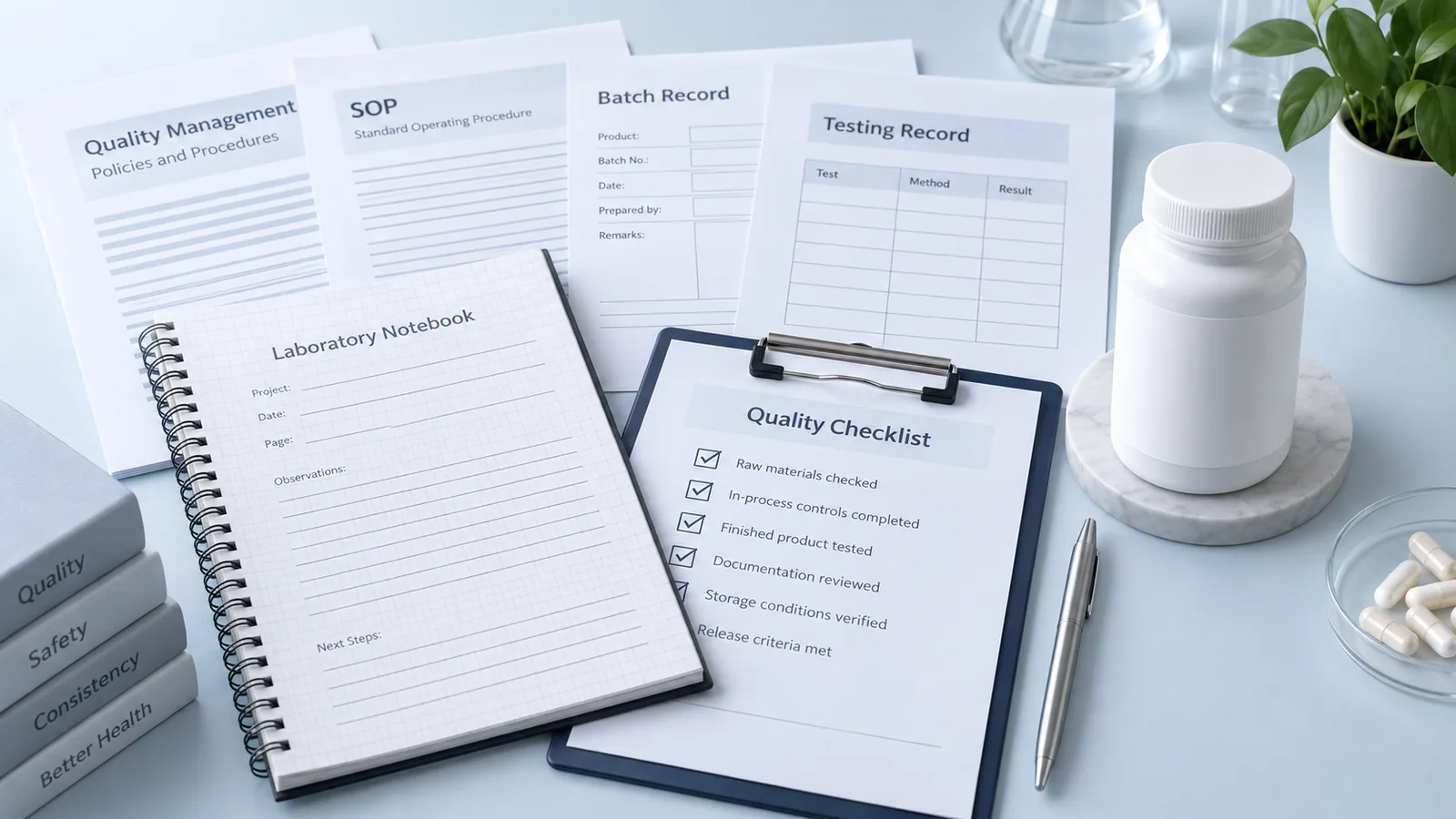
| Quality and requested documents | The agreed assessments, specifications, records and responsibilities for this version. | Identify the quoted work and exclusions; do not treat an ingredient report as a finished-product result. |
| Outer cartons and delivery | Finished units per carton, carton dimensions, approximate gross weight and delivery terms. | Compare the same transport scope and request current packing data. |
Project-brief fields are informed by the supplied order-production template, “Liquid drops and beverages”, colour/flavour/consistency, pack, sealing, label and date-marking fields. They identify questions to agree, not a promise that every option is included.
3. Identify the constraint behind the minimum
A mixing batch, a filling setup and a printed-bottle commitment can set different minimum quantities. Ask which one limits this proposal, how many finished bottles it represents and what happens to surplus components. Do not assume a development pilot has the same terms or release status as a commercial order.
| Ask about | Record in the proposal |
|---|---|
| Liquid batch | Batch quantity and whether the formula is shared or dedicated |
| Bottle and closure | Supplier minimums, component revisions and unused stock |
| Printed materials | Print minimum, artwork version and ownership |
| Pilot work | Trial objective, sample disposition, tests and next decision |
4. Compare the agreed retail unit and delivery scope
On a common scope, divide the recurring finished-pack charge by the quoted number of finished bottles. Show one-time development and tooling separately. Keep taxes, freight and excluded tests visible. A missing amount is unknown, not zero.
If a quote is per litre, confirm the agreed fill volume and production accounting before converting it to bottle costs. Do not assume a loss allowance or a fixed percentage. Ask what approval starts the proposed lead time and which materials must be available.
Historical carton examples for a packing enquiry
The supplied packaging worksheet records the following bottled-liquid configurations. Ask for the current units per carton, carton dimensions and gross weight for the actual bottle and protective presentation; bottle volume alone is not enough to quote transport.
| Recorded bottle presentation | Recorded bottles / carton | Recorded carton (mm) | Approximate recorded gross weight |
|---|---|---|---|
| 30 mL | 128 | 370 × 370 × 300 | 10.5 kg |
| 60 mL | 145 | 370 × 370 × 400 | 21 kg |
| 120 mL | 50 | 370 × 370 × 400 | 13.5 kg |
Source: supplied packaging worksheet dated 22 October 2025, carton records, rows 18, 19 and 22. These are historical configurations and approximate recorded weights, not current freight prices, stock or a universal packing promise.
A different bottle, retail box or protective insert can change the packing proposal. Keep freight, taxes and excluded work visible when comparing the written quotations. Review how the retail presentation changes a packing brief.
What we have not assumed
No universal price, MOQ, wastage rate or delivery duration is supplied here. These depend on the actual formula, quantity, pack and commercial proposal. An enquiry should ask for those terms in writing.
Use the next purchasing tool
Discuss this liquid project with the enquiry team — add your formula or product reference, market, pack and quantity.
Latest Popular Articles

Contact


