

How to Formulate Fruit Gummies for Different Audiences and Use Situations
Audience descriptions belong in a reviewed product brief.
A smaller gummy, a fruit flavour or a familiar ingredient does not establish suitability for a child, older adult or other population. This article plans product development rather than assigning doses by age.
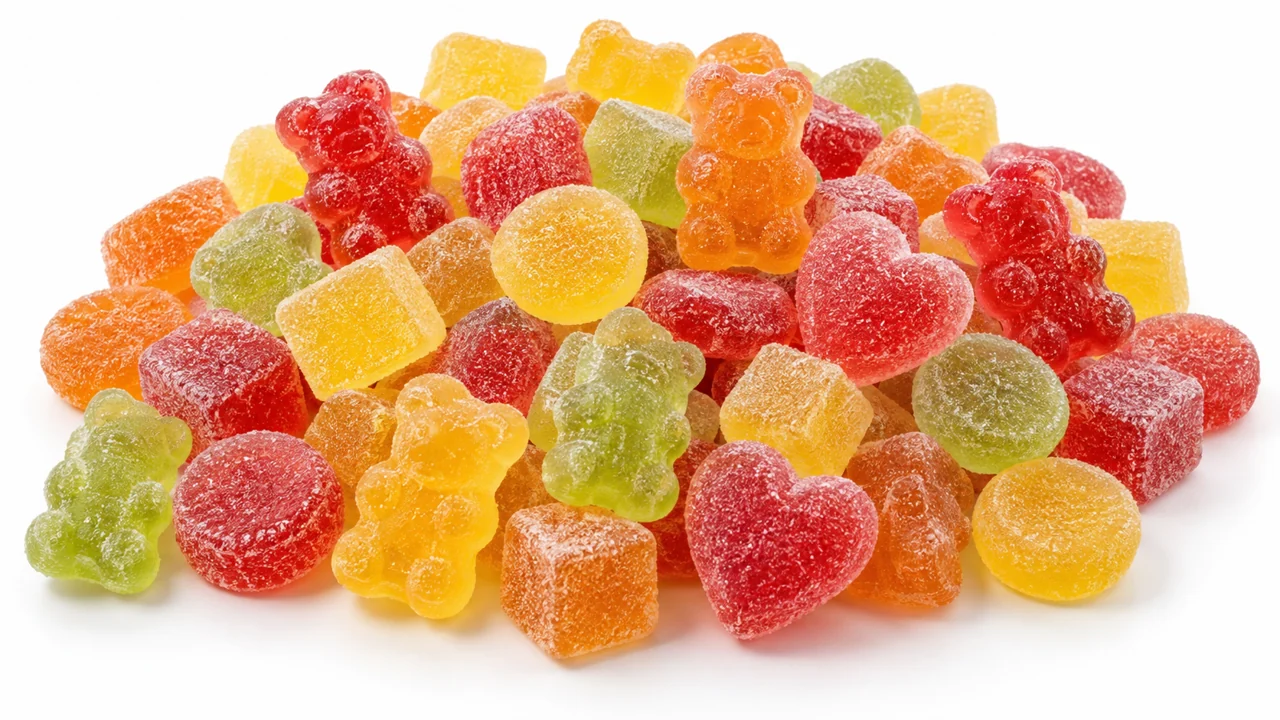
Planning a fruit gummy for a particular age range is not a matter of changing the color, shape, or package graphics. The audience brief affects the serving, unit size, chew, flavor, ingredient load, directions, and package. Those decisions must still be checked against the product category and rules in the target market.
Age is useful context, but it does not establish medical suitability. A product described for children, older adults, or any other audience is not automatically appropriate for every person in that group. The final composition, directions, warnings, presentation, and claims need qualified review for the intended market.
1. Start With an Audience and Use-Situation Brief
Begin with the intended user and the conditions in which the product will be handled and consumed. “For adults” is too broad to guide formulation. A stronger brief describes the routine, desired number of gummies per serving, flavor expectations, dietary preferences, sales market, and any caregiver role.
- Audience: define the intended consumer without implying that age alone proves suitability.
- Use situation: home routine, travel, individually managed use, or caregiver-managed use.
- Product category and market: determine how ingredients, additives, directions, and claims will be reviewed.
- Sensory target: preferred fruit profile, sweetness, acidity, chew, aroma, color, and finish.
- Dietary positioning: gelatin or plant-based system, sugar approach, color and flavor preferences, and relevant allergen constraints.
Do not begin by shrinking an adult gummy and assuming it has become a children’s product. Likewise, a softer gummy or low-count serving does not by itself make a product suitable for older adults. Audience-specific concepts require review of the complete formula and presentation.
2. Translate the Serving Into a Practical Gummy Unit
The serving target and the physical gummy must be designed together. First define the intended amount of each active per daily serving. Then assess whether that load can fit into an acceptable number and size of gummies while leaving enough room for the gelling system, sweetener system, acids, flavors, colors, and other matrix components.
| Decision | Questions for the brief | Why it matters |
|---|---|---|
| Serving count | One gummy, two gummies, or a divided serving? | Changes active load per unit, directions, package count, and consumer handling. |
| Unit size and shape | What dimensions and weight are acceptable for the intended use? | Affects chew experience, molding, coating, and package fit. |
| Active load | Can the proposed materials fit without compromising the matrix? | High solids can affect flavor, texture, appearance, and processing behavior. |
| Directions | Who manages the serving, and are any special instructions needed? | The formula, label, and packaging must communicate one consistent use pattern. |
A low-count serving may be commercially attractive, but it can force a larger unit or a heavier active load. The better choice is the one that balances the intended serving with feasible texture, acceptable sensory performance, and clear directions—not simply the smallest number of gummies.
3. Set Texture and Sensory Targets by Use Experience
Fruit flavor cannot be considered separately from the gummy matrix. Gelatin, pectin, or another suitable gelling system changes the bite, elasticity, flavor release, and processing conditions. Acids, sweeteners, fruit flavors, colors, and active ingredients also interact with the target texture.
Children-oriented concepts
For a children-oriented concept, record the proposed unit, flavour and instructions for the responsible suitability review. These are development preferences rather than proof of suitability. The composition and presentation need qualified review, and the product should not be framed as candy or as appropriate for every child.
Adult lifestyle concepts
Adult products may allow a broader fruit profile, more complex ingredient combinations, or reduced-sugar positioning. Greater formulation freedom does not remove constraints: botanical extracts, minerals, vitamins, or specialty ingredients may add bitterness, metallic notes, color, sediment, or a high solids load.
Older-adult use situations
A brief may prioritize a softer chew, manageable unit size, low serving count, legible instructions, or packaging that is easier to handle. These are usability considerations, not medical claims. A brand should not describe a gummy as suitable for older adults solely because it is soft.
4. Screen Ingredient Feasibility Before Sampling
Not every ingredient that works in a capsule or powder transfers easily to a gummy. Before requesting prototypes, review the specification of each proposed material rather than relying only on its common name.
- Identity and form: confirm the exact chemical form, extract specification, carrier, source, and relevant allergens.
- Load per serving: calculate both the declared active amount and the total material mass entering the gummy.
- Processing exposure: consider sensitivity to heat, water, oxygen, light, and the matrix pH.
- Physical behavior: assess solubility or dispersion, particle size, settling risk, grittiness, and color contribution.
- Sensory impact: note bitterness, metallic character, astringency, odor, and aftertaste.
- Market status: verify ingredient and additive acceptability, usage conditions, and documentation for the destination market.
When the proposed serving overwhelms the gummy matrix, useful options may include changing the ingredient form, reducing the number of actives, adjusting the serving count, or considering another dosage form. The goal is not to force every concept into a gummy.
5. Use Samples to Test the Complete Experience
A useful sample round starts with written acceptance criteria. Review the gummy as a complete serving rather than tasting one unit in isolation. Record appearance, aroma, flavor, sweetness, acidity, aftertaste, firmness, elasticity, stickiness, coating, handling, and any visible separation.
Representative users may provide structured sensory and handling feedback, but that feedback should be kept separate from health claims. For concepts involving children, caregiver-managed use, or users with specific needs, obtain appropriate professional review rather than treating informal taste approval as a suitability decision.
Prototype, pilot, and stability are different checkpoints
An acceptable first sample confirms only that one prototype is directionally promising. It does not establish commercial-scale consistency, long-term stability, labeled content through shelf life, or package performance. Pilot work should evaluate whether the agreed formula and process can reproduce the target characteristics. Stability work and appropriate testing are needed to support storage conditions and shelf-life decisions.
6. Review Label and Packaging Together
Packaging must protect the physical product and support the intended use. Evaluate whether the actual gummy changes in texture or handling under the storage and handling conditions proposed. Flavor and color may also change during storage. Container selection should therefore follow the formula and stability plan rather than being treated as decoration.
- Confirm container dimensions, count, headspace, closure, seal, and any moisture-control approach.
- Assess barrier needs in relation to the formula and expected distribution conditions.
- Review package opening and dispensing for the intended use situation.
- Keep the serving directions, warnings, storage instructions, and net quantity consistent with the approved specification.
- Review audience language and claims for the target market; avoid implying universal or medical suitability.
7. Build a Better Development Brief
Before an OEM feasibility discussion, prepare the target market, product category, intended audience, use situation, ingredient list with specifications, proposed amounts per serving, preferred serving count, gummy size range, gelling preference, sugar approach, sensory targets, package concept, and draft claims or label language.
A precise brief makes trade-offs visible early. It helps the development discussion focus on what can fit into the unit, what sensory compromises may arise, what sampling should test, and what still requires regulatory, labeling, packaging, or stability review.
Conclusion
Fruit gummies for different audiences should be developed from use conditions outward: audience brief, serving and unit, texture and sensory targets, ingredient feasibility, samples and pilot work, then label and packaging review. Age can inform those decisions, but it cannot replace a formula-specific and market-specific assessment. Prepare the complete project brief before requesting feasibility feedback so that the product can be evaluated as one connected system.
Related development decisions
Turn the audience brief into review questions
| Record | What to connect |
|---|---|
| Intended user and market | Record the proposed population and assign suitability and claims review. |
| Physical unit | Define the proposed piece, serving presentation and use instructions. |
| Sample experience | Describe how texture and flavour will be assessed for the approved development sample. |
| Pack and communication | Check the reviewed directions, warnings and retail presentation together. |
Continue the specific development decision
Related Reading
Browse the product references below, or send your own formula brief. Confirm the composition, packaging and sample requirements for the project you want to quote.

Contact


